French Ethereal Chic™
YANG YIN


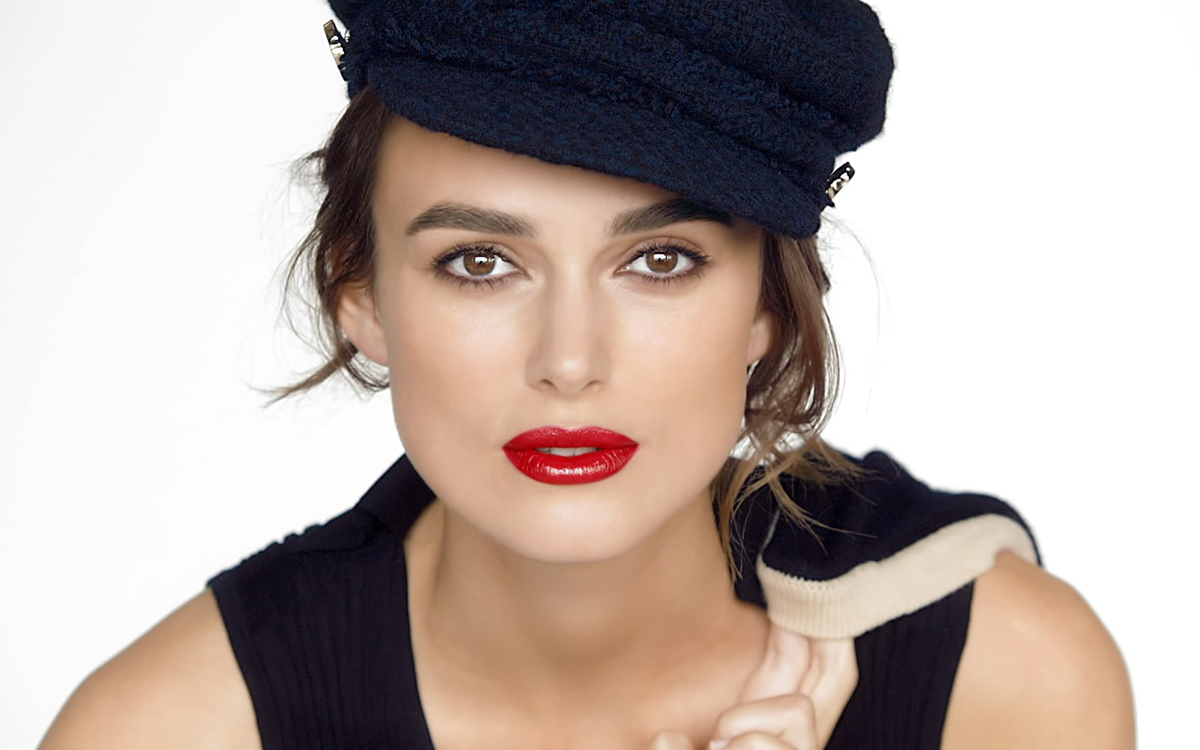
French Ethereal CHIC embodies the world-famous Timeless Capsule aesthetic rooted in legendary Parisian style. This archetype of elegance resonates so deeply because it delivers exactly what modern women crave, which is effortless sophistication.
Stripping away the illusion, however, reveals a surprising truth. This style has very little to do with how French women actually dress today. The fashion world created a fascinating myth built on the DNA of Chanel and other historic luxury houses. True Parisian chic is never defined by a zip code. Instead, it is a conscious choice of geometric discipline and harmony, engineered by visionaries.
Coco Chanel’s revolutionary designs started this movement. Today, that legacy seamlessly blends a modern nautical vibe with classic Parisian elements. France gave us the little black dress, stripping fashion down to its purest, most essential form. We find that same magnetic energy in the aesthetic popularized by Carolina Herrera, where pairing a flawlessly tailored white shirt with a dark, minimalist bottom achieved iconic status. For French Ethereal, this sharp graphic contrast delivers a fresh, sophisticated sense of metropolitan luxury.
Modern capsule wardrobes have perfected this timeless evolution. Moving past fleeting trends, the style focuses on reliable essentials such as a sharp trench coat, a tailored blazer, clean minimalist jeans, and the crisp white shirt. While these items do not all originate from Chanel herself, they perfectly embody her revolutionary approach of adopting menswear elements into a woman’s wardrobe. Guided by her lifelong fascination with masculine tailoring, she transformed these functional pieces into symbols of female independence. Every piece serves as the perfect backdrop for a silhouette that commands attention through simplicity. To understand the source of this captivating power, we must look back at the woman who started it all, Coco herself.
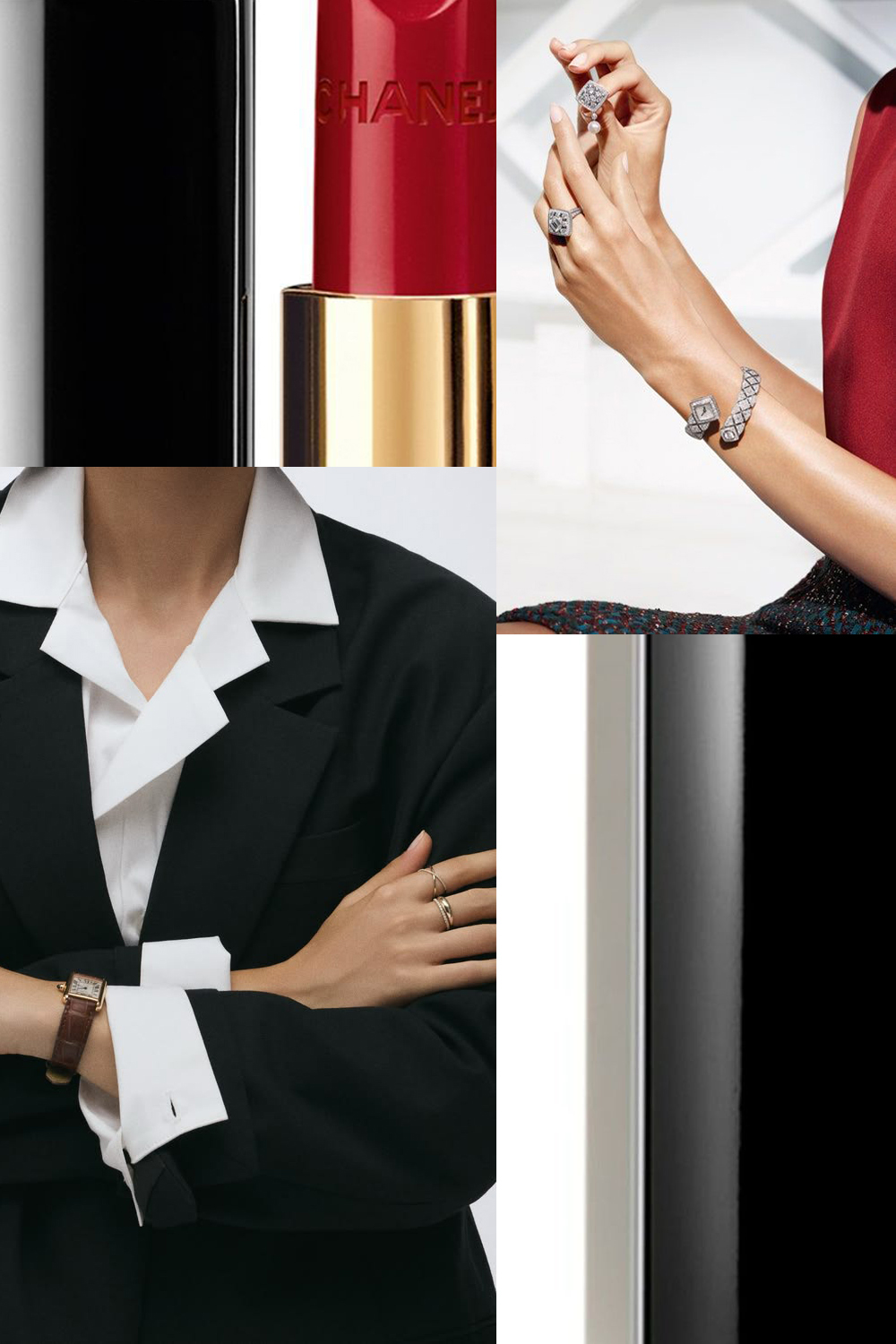
Gabrielle Chanel lived and breathed the French Ethereal style, serving as its ultimate ambassador. She possessed that rare aesthetic quality that transforms the simplest garment into a statement of pure elegance. Her revolutionary vision was driven by a powerful inner strength rooted in Energetic Ethereal. This dynamic aura gave her unstoppable energy, sharp focus, and the courage to shatter rigid conventions and push fashion forward.
In an era when women were expected to be soft and submissive, Chanel brought a completely different power to the world. Her posture, her movements, and especially her passion for sports, horseback riding, and sailing were filled with the vitality that defines individuals with a strong Energetic element. For someone of her unique nature, the fashion of that era was far more than just uncomfortable. It felt deeply inauthentic. Guided by brilliant intuition, Chanel listened to her inner voice and began transforming the fashion world based on her own deepest truth. She might not have fully realized she was acting on pure impulse. She was simply dressing herself, giving her strong Yang energy the space it desperately needed. By creating a geometric, dynamic aesthetic tailored to her own active nature, Coco Chanel launched a style that millions of women around the world still love today.
It is important to emphasize that the timeless capsule aesthetic does not work for everyone. The widely promoted concept of a minimalist capsule wardrobe defined by straight cuts and geometric order works only for women whose appearance is dominated by the Yang element. Success with this style requires a specific internal blend of beauty archetypes that creates a balanced, classic, and clean look. Women with these physical traits will feel incredible in these clothes. They will find that the clothing perfectly aligns with their natural inner strength, framing their beauty with pride rather than overwhelming it.
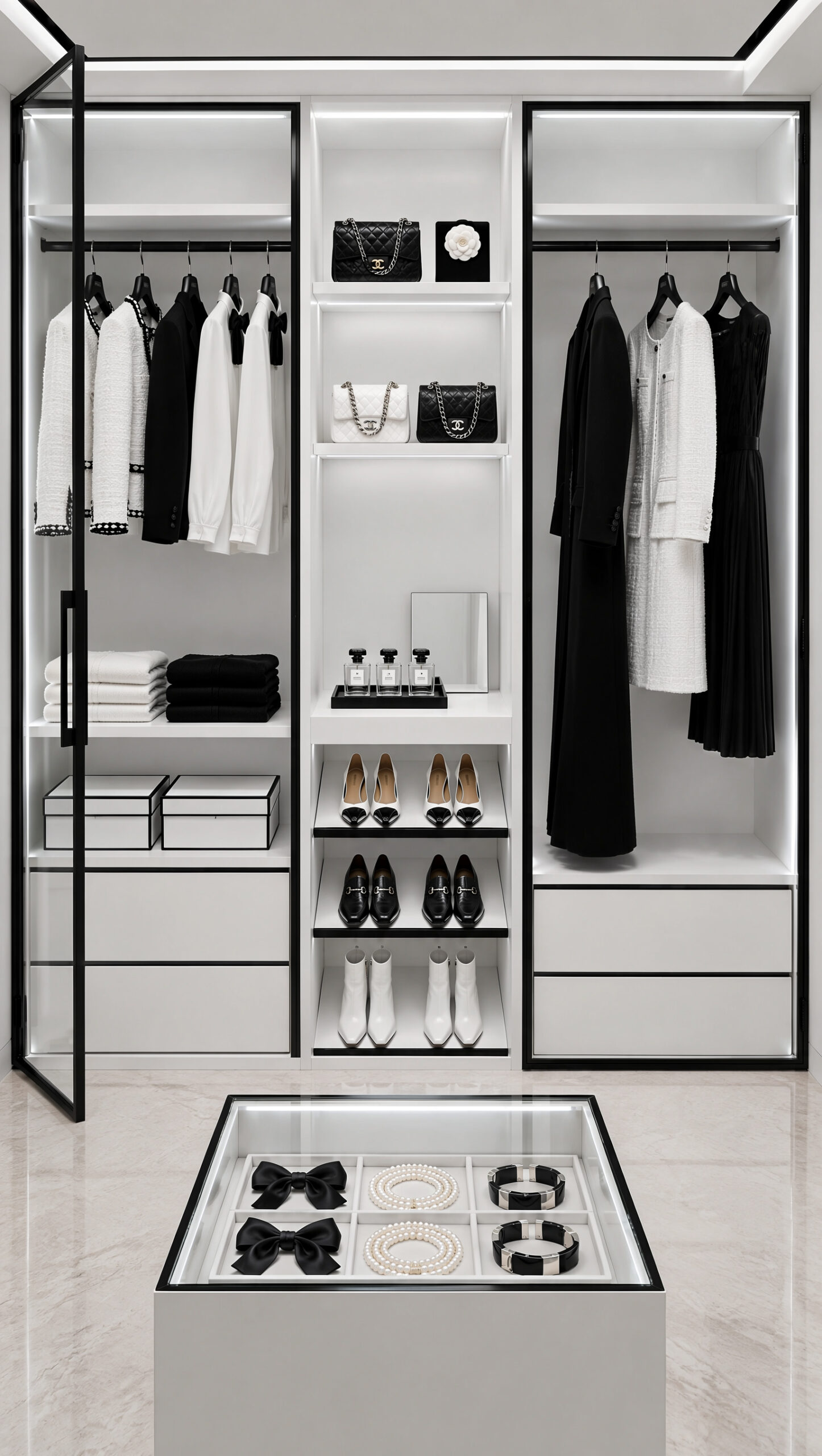
Looking closely at how the modern world treated those original ideas reveals a fascinating phenomenon. Over the years, Gabrielle Chanel’s initial vision has undergone a double distortion, blurring its true meaning in the collective consciousness.
The first shift occurred directly at the source, symbolized by the era of Karl Lagerfeld and his successors. Under their leadership, the French fashion house gradually shifted its focus from ascetic restraint toward pop culture glamour. Although Lagerfeld himself brilliantly played with the heritage of the house, classical simplicity eventually yielded to an aesthetic that became almost infantile. Oversized shapes, bright fuchsia, pastel pink, and omnipresent logomania came to dominate modern runways. For the younger generation, Chanel ceased to be a synonym for revolutionary rebellion, turning instead into a symbol of a girlish, candy-like wardrobe that contradicts the austere personality of the founder herself.
A second distortion arrived from across the ocean, creating a pop culture myth that many now mistakenly identify with the everyday style of Parisian women. American cinema and mass culture required simple visual shortcuts to instantly define Frenchness on screen. Costume designers took the striped shirts of Breton fishermen, combined them with elements of artistic bohemian life, and created an exaggerated, almost cartoonish costume. In doing so, they turned a color that should only serve as a strictly controlled nuance into a cheap spectacle, namely classic red. By dressing characters in red berets, scarves, and stripes, they created a superficial image of a girl with a baguette under her arm. In this way, the original, pure idea of Gabrielle Chanel was diluted, torn between the pastel infantility of modern trends and Hollywood clichés.
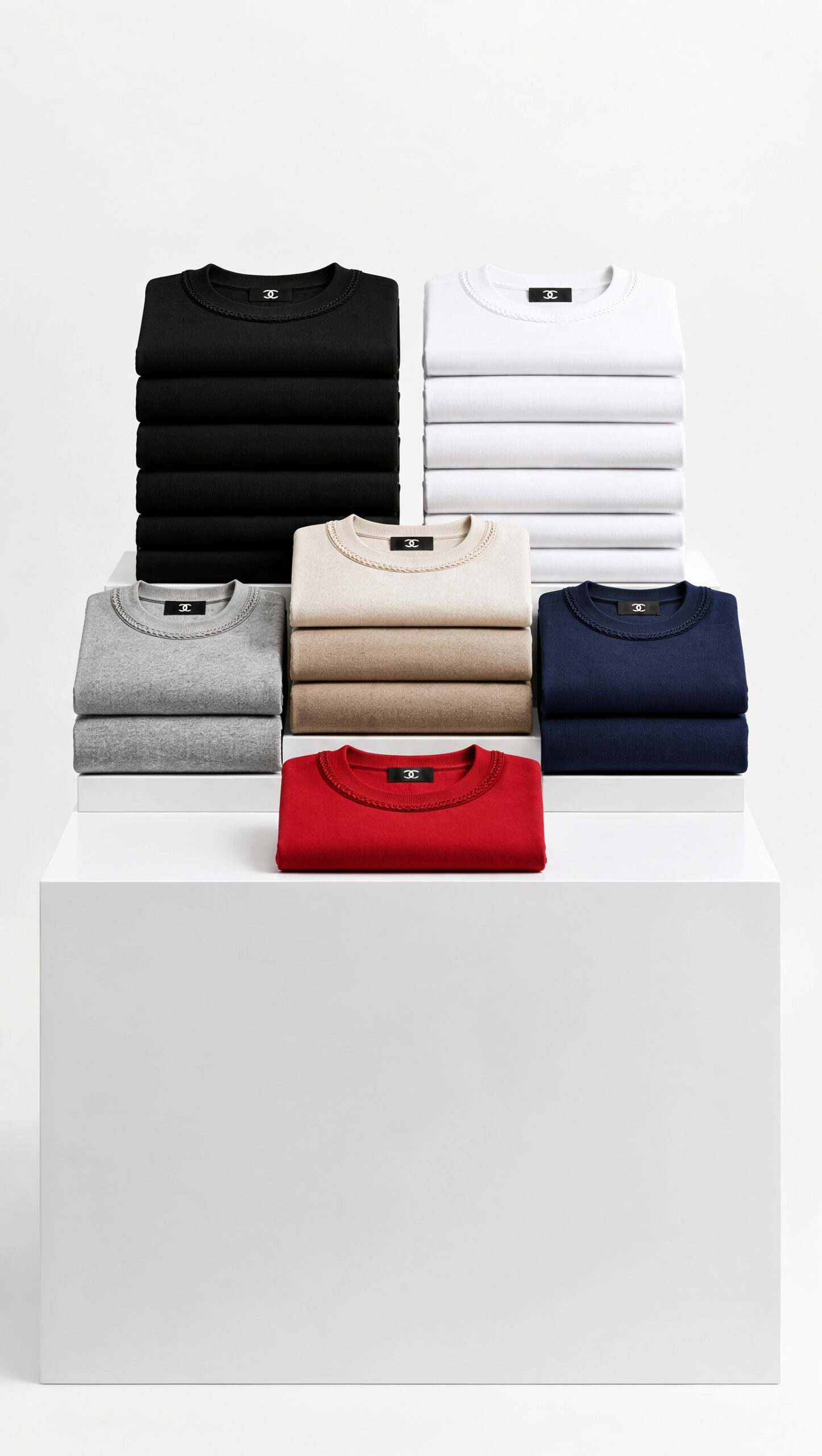
Rejecting both of these distortions completely, French Ethereal restores the red accent to its proper place, treating it as a noble spice rather than a dominant costume. A heavy presence of red always indicates the influence of other Ethereals, those with a much more expressive aesthetic that is less connected to minimalism and classical elegance. In opposition to them, the austere architecture of French Ethereal thrives within strictly defined color boundaries. The entire palette relies on a sophisticated curation of black, white, noble beiges, deep navy blue, neutral gray, and a distinct but controlled addition of red.
Such a deliberate color palette draws directly from the pure code of the founder herself. Although her designs were famous for the radical contrast of white and black, it was the navy blue and austere gray of her first jersey sportswear suits, complemented by the dark red hidden inside her handbag linings, that gave those designs their final touch. Gray introduces a necessary element of urban discipline to this palette, serving as a noble backdrop for other colors.
Ultimately, the greatest strength of French Ethereal lies in this skillful relationship with tradition. This aesthetic avoids blindly recreating the past and refuses to yield to loud pop culture trends. It is a style for women who know that true elegance never needs to shout to be noticed. Stripping Parisian chic of Hollywood clichés and influencer excess, French Ethereal restores what is most valuable to fashion, which is intellectual discipline and the freedom to be oneself.
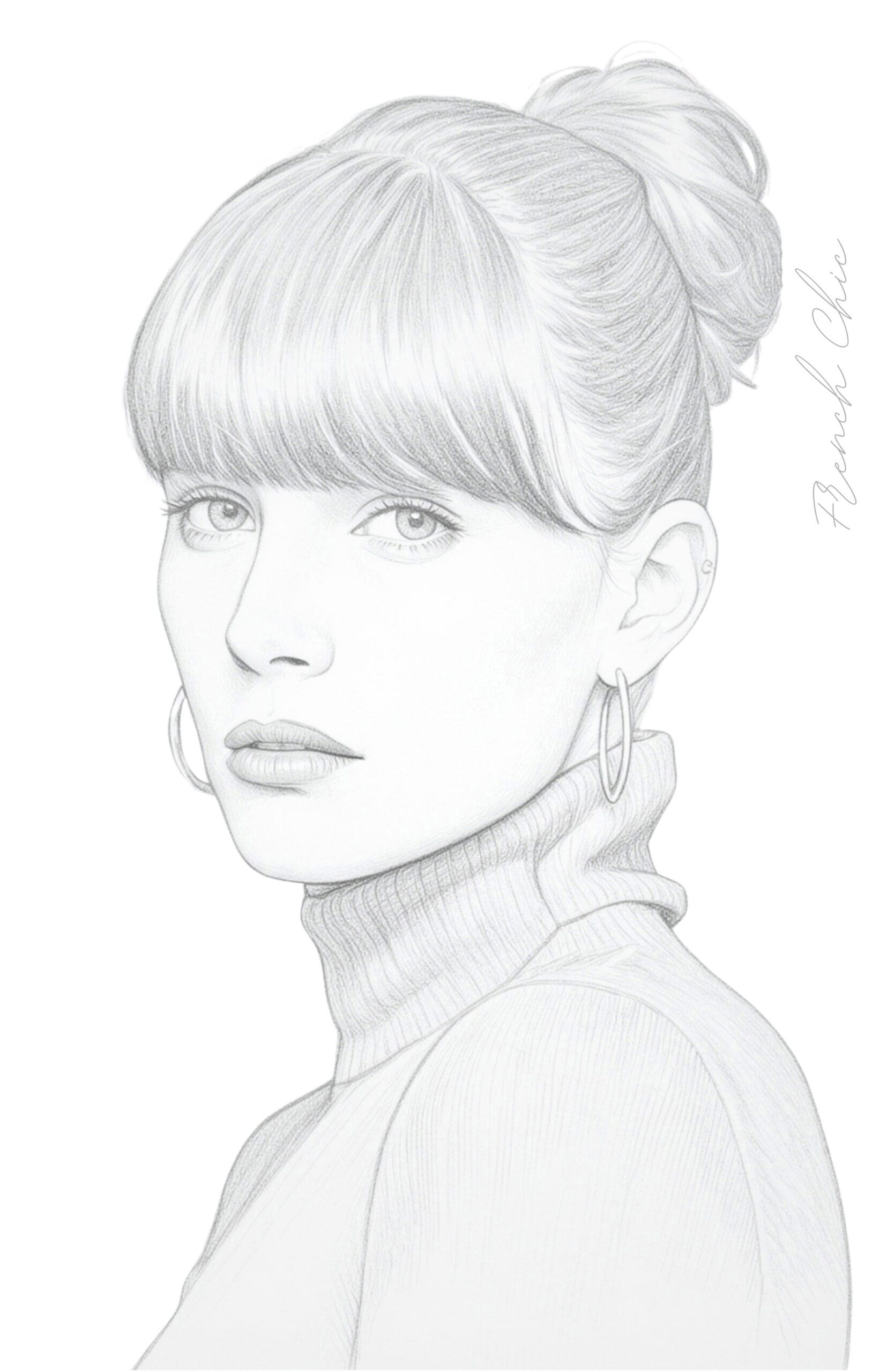
The definitions above illustrate this specific archetype in its absolute, pure form. In reality, human appearance relies on a combination of several distinct Ethereals. Professional image analysis isolates this specific configuration, defining a complete visual identity.
Discover individual beauty essences through professional analysis.
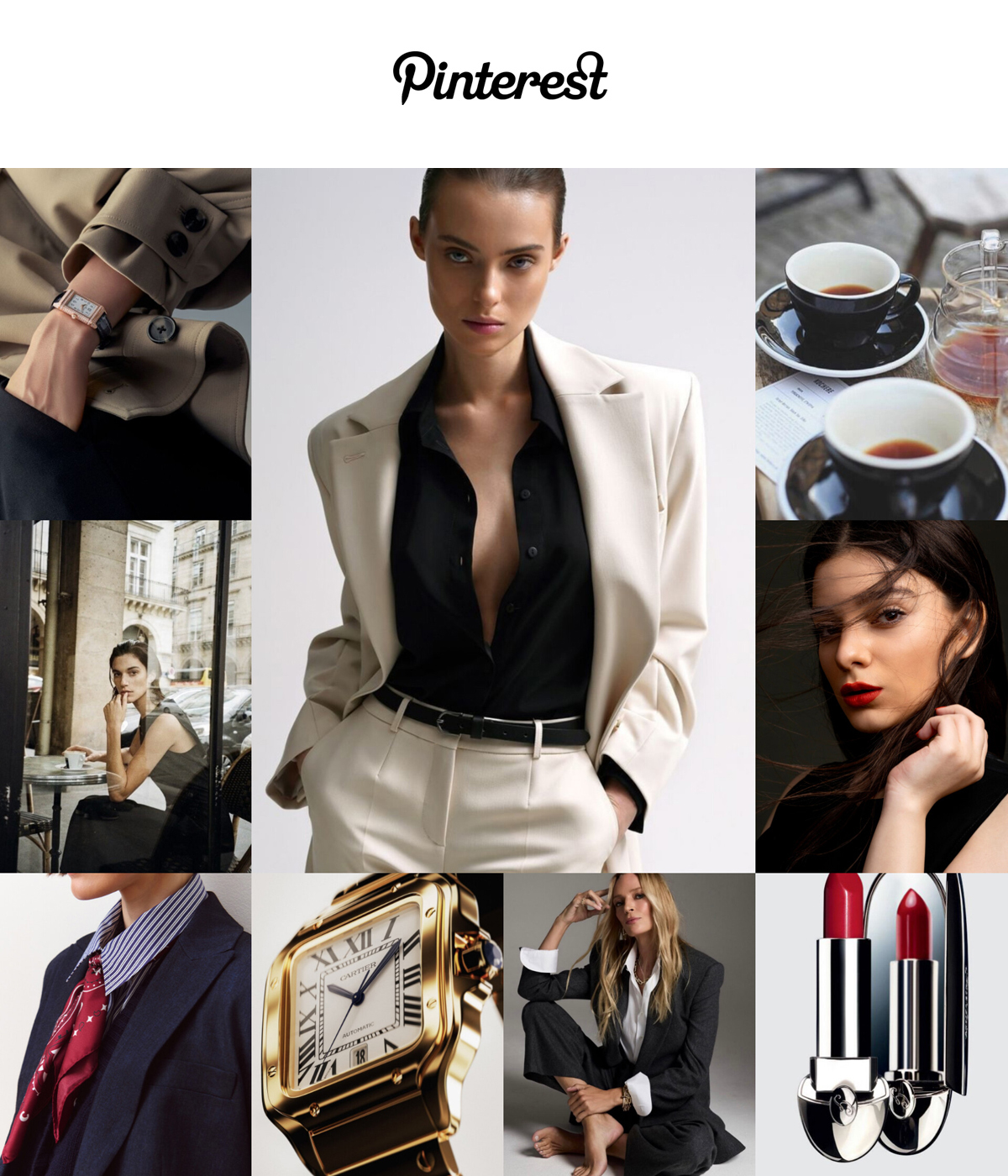
All curated visual content, editorial imagery, and likenesses of public figures or style icons displayed on this platform serve strictly creative, educational, and analytical purposes. These materials showcase the monumental heritage and evolution of global High Fashion, implying no commercial endorsement, affiliation, or sponsorship by the individuals featured.
No Comments